
Editing as selection
Editing in Pentaprisma is approached as selection and judgement rather than software manipulation. Photography involves deciding twice: first when framing, and second when choosing what survives afterwards. The purpose of editing is not to fix mistakes cosmetically, but to clarify intention, recognise patterns and strengthen future decisions.
-
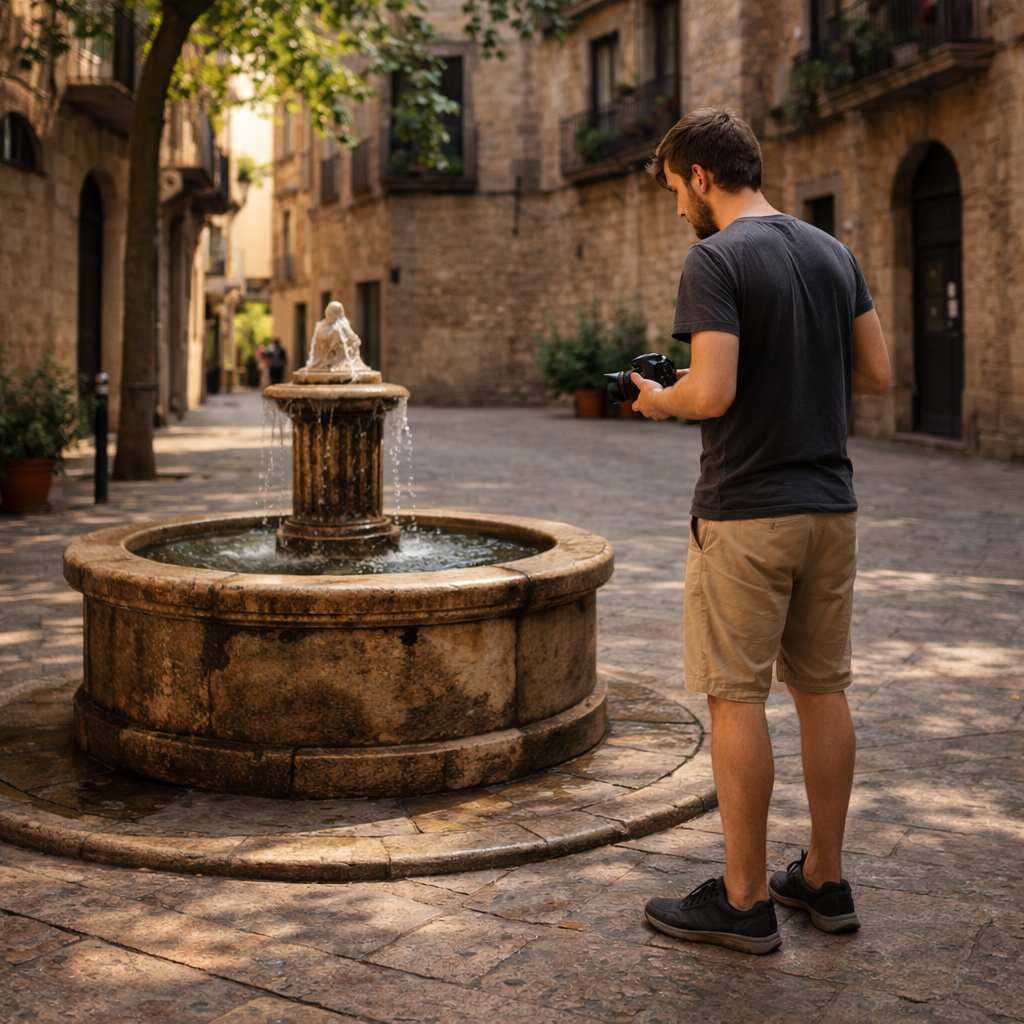
Why photographers take many photos before choosing the right one
Many people hear the word editing and think immediately of software like Lightroom. But editing in photography does not only happen later, in front of a screen. It begins much earlier, and recognising that changes the way many photographers understand what they are actually doing when they make pictures.
-
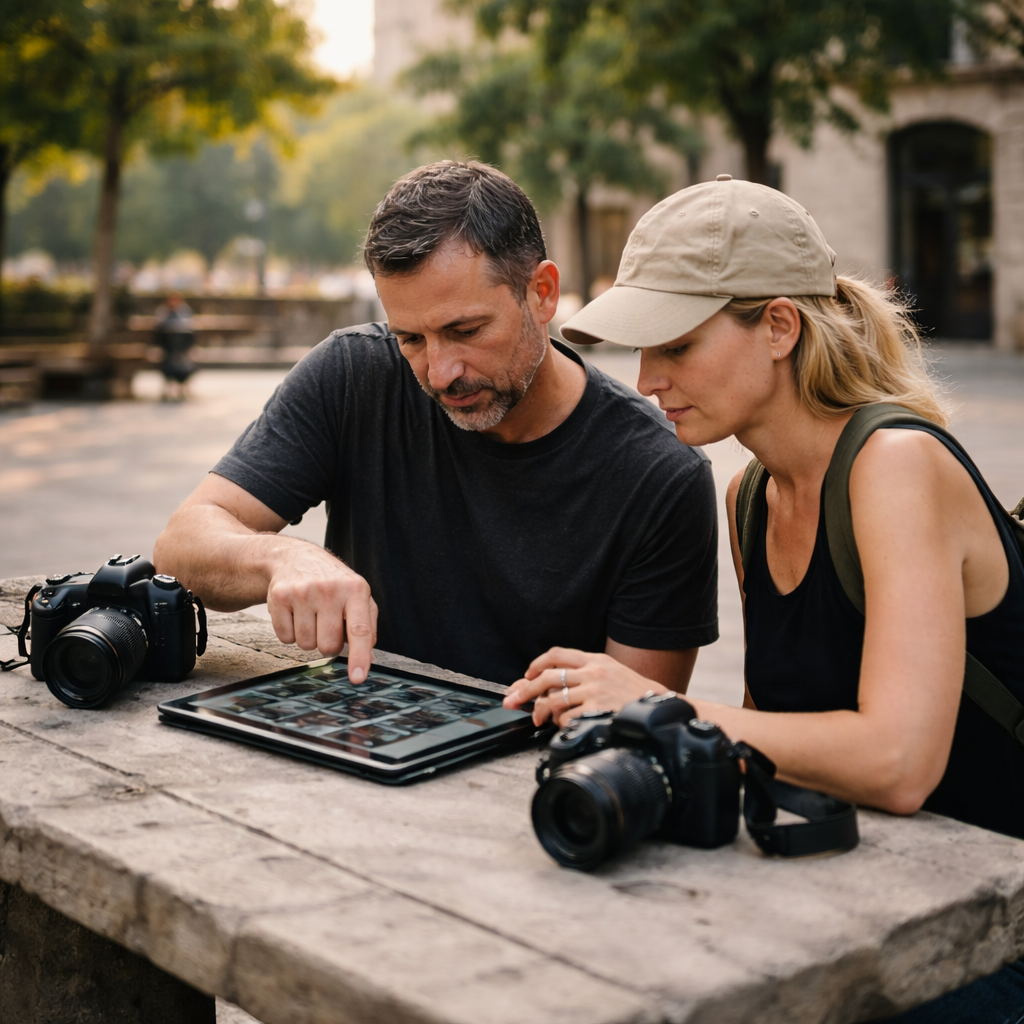
Selection criteria. Why “I like it” is not enough
Personal preference alone does not create progress. Selection becomes meaningful when supported by observable criteria such as clarity of subject, stability of exposure, background control and visual hierarchy in real conditions. Being able to explain why one image works better than another transforms comparison into structured learning instead of vague intuition.
-
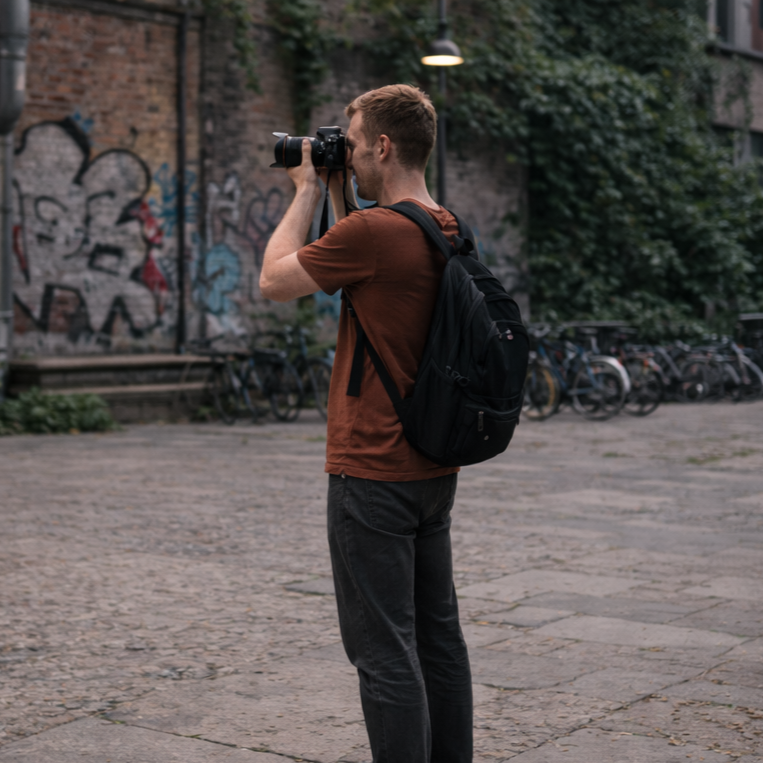
Editing is not Lightroom. It starts before the computer
Software can adjust contrast and colour, but it cannot correct unclear decisions. Editing starts in the moment of framing, when you decide what matters and what does not enter the frame. Understanding this shifts attention away from post-production dependency and towards deliberate choice during the act of photographing.
-
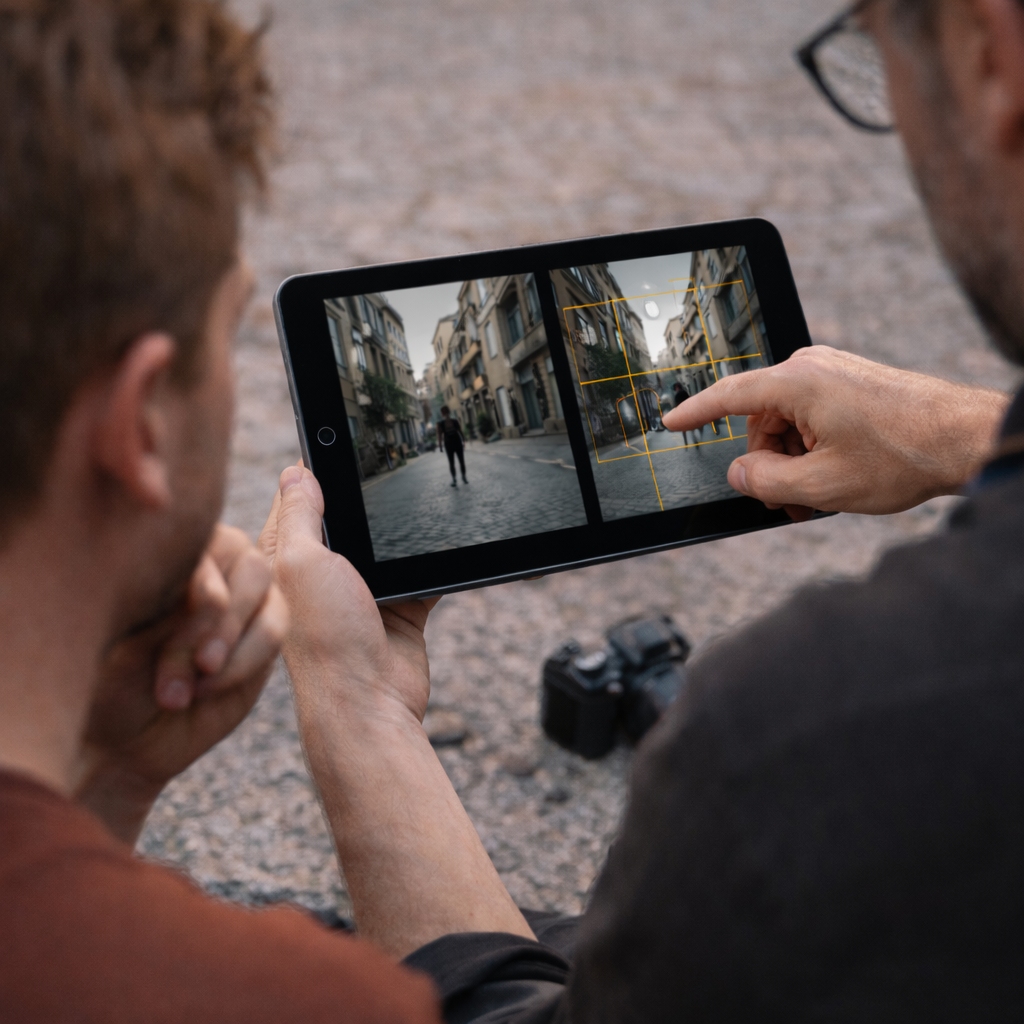
The 15-minute review. Learn without beating yourself up
Short, structured reviews are more effective than long, unfocused sessions. In fifteen minutes, you can sort images, identify recurring weaknesses and define one concrete adjustment for the next session. Keeping review concise prevents self-criticism from dominating and keeps the focus on measurable progress.
From editing to the Pentaprisma structure
Editing is the second half of the photographic decision process. To understand how these decisions are trained in practice, start with Method, then explore the exercises that generate material for selection and the compositional principles that clarify why one image works better than another.
Method
The Pentaprisma method explains how photographic decisions develop during practice and why editing begins before the shutter is pressed.
Exercises
Exercises produce sequences of images that reveal patterns, mistakes and improvements when reviewed carefully.
Composition
Editing becomes clearer when composition is understood, because hierarchy and structure help identify stronger photographs.
Practise editing within a real workshop
Reviewing photographs alone can already reveal patterns, but progress accelerates when selection decisions are discussed during practice. Pentaprisma workshops integrate shooting, observation and review so that editing becomes part of the learning cycle.
Workshops are currently offered in several cities.