
Pentaprisma method:
how we approach photography
Photography can feel confusing when everything seems worth capturing but nothing quite works. Here, we explain how we approach it at Pentaprisma: working from your own photographs, in real situations, and building the clarity to understand what you see.
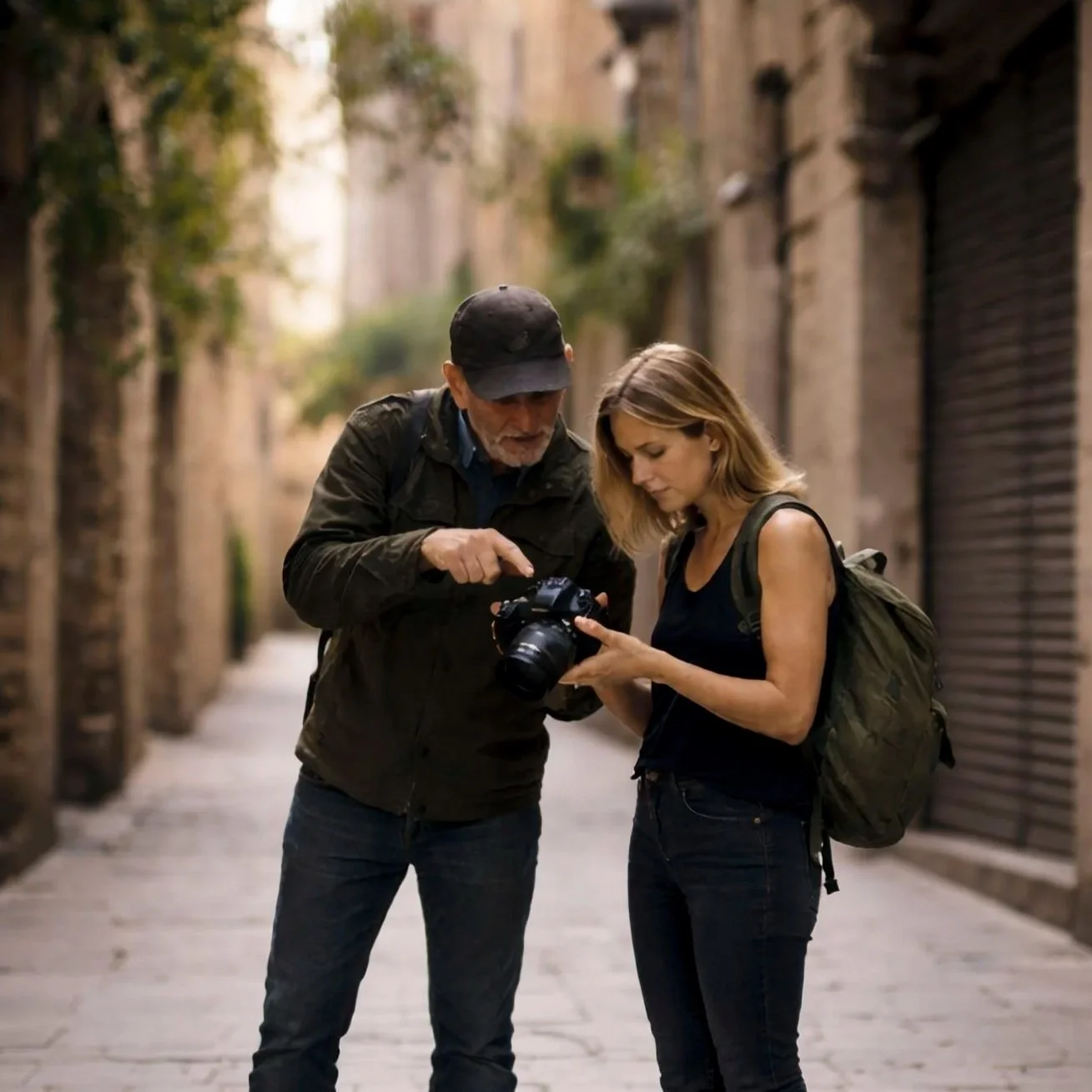
Learning photography begins with photographs
When you are in front of a scene with many things happening, it can be difficult to decide what to follow. Something catches your attention, then something else, and before you realise it, you have already taken a few photographs without being entirely sure what you were trying to achieve.
It is not always a lack of knowledge. Often, you can recognise when something is there, but you do not stay with it long enough to develop it.
At Pentaprisma, the starting point is your own way of looking. The session works directly with the images you take, without trying to fit them into a predefined structure.
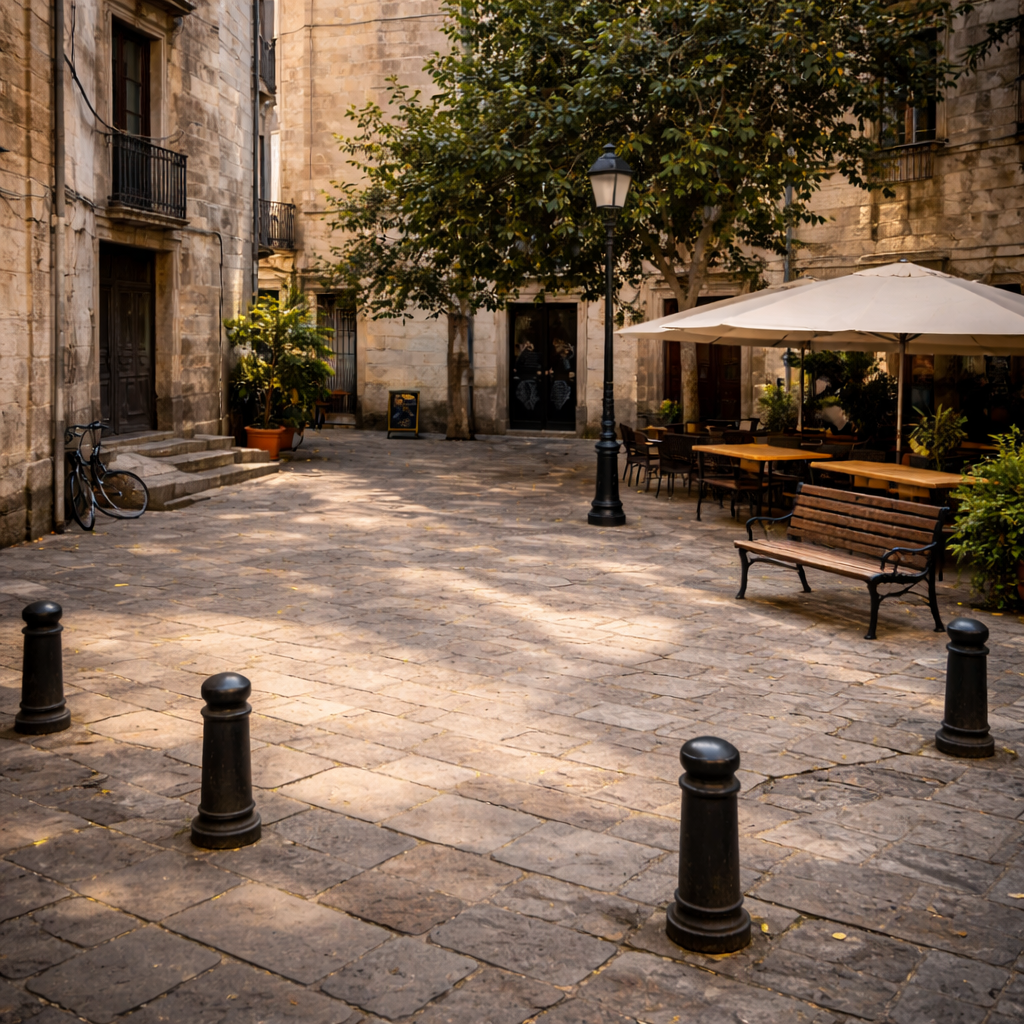
The setting is part of the method
If the goal is to work from your own photographs, the session cannot be separated from the act of photographing. There is no moment where you stop to listen to a structured explanation before putting things into practice. The work happens while you are shooting.
For that reason, we work outdoors, in places where photography unfolds naturally. Light shifts, people move through the frame, situations appear and disappear. Instead of isolating those variables, the session stays within them.
The locations are chosen carefully. They are not about impressive or striking scenes or force immediate reactions. They allow you to stay with what is in front of you and adjust your position, your timing, and your framing with more attention.
The first exercise reveals more than any introduction could
In that kind of environment, you are given a small area and a few minutes, and you begin photographing almost immediately. At first, the process feels straightforward: something catches your attention, you take the picture, and move on.
After a while, the images begin to accumulate, and with them a sense that something is there, although not fully developed.
When we look at the images together, certain patterns become visible. Some photographs contain a clear direction but were left too early or not explored enough. Others remain more dispersed.
Instead of moving on, we stay in the same place and begin to work on what was already there.
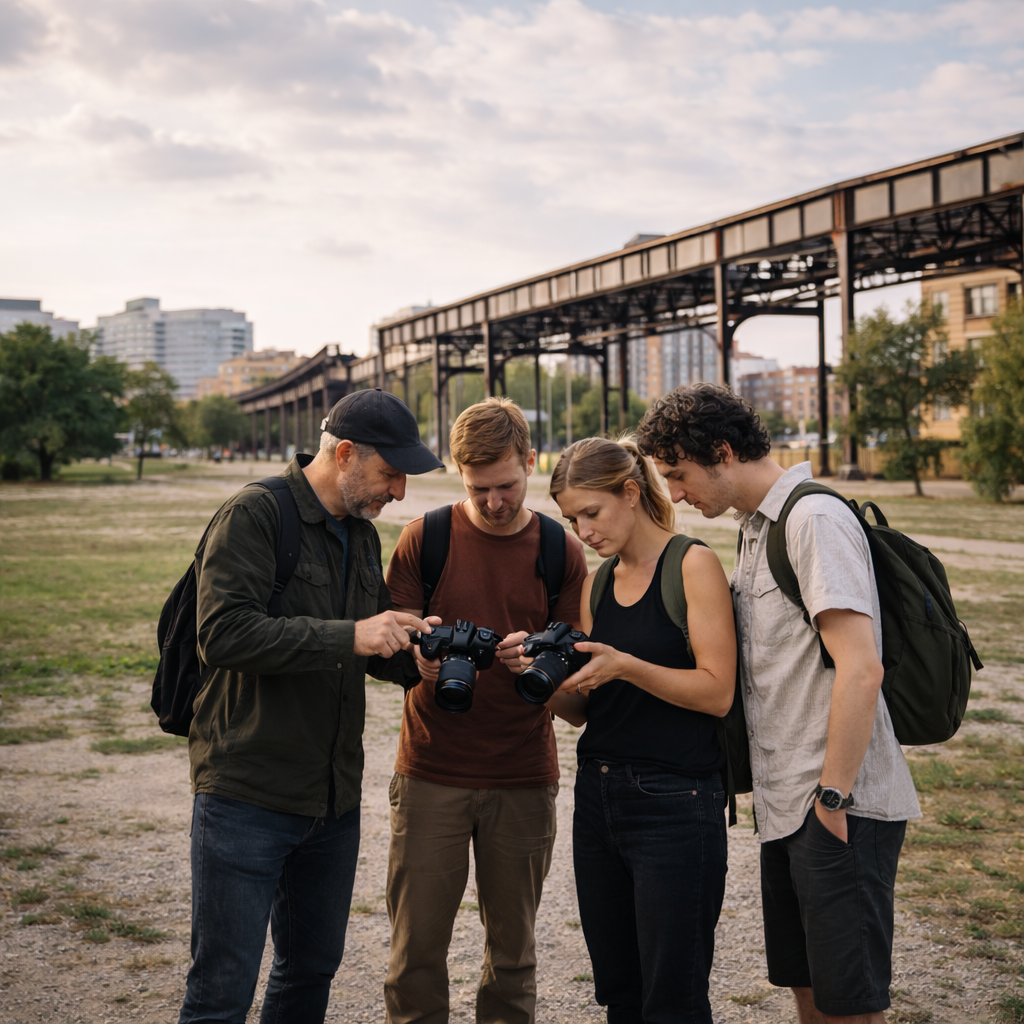
Better photographs often begin with slowing down
Staying in the same place changes how you work. Instead of moving quickly from one subject to another, you remain longer with a single element and begin to adjust small things: your position, your distance, what enters the frame, and what stays out.
These small changes begin to shape the photograph more clearly. The image is no longer something you either capture or miss, but something you refine progressively.
From that point on, the workshop is built around your own photographs
From there, the session follows what begins to appear in your images. They are reviewed as you work, allowing enough distance to understand where they hold and where they fall apart.
Questions about framing, background, distance or timing emerge naturally from the photographs themselves. They are not introduced in advance, but in relation to what you are already trying to do.
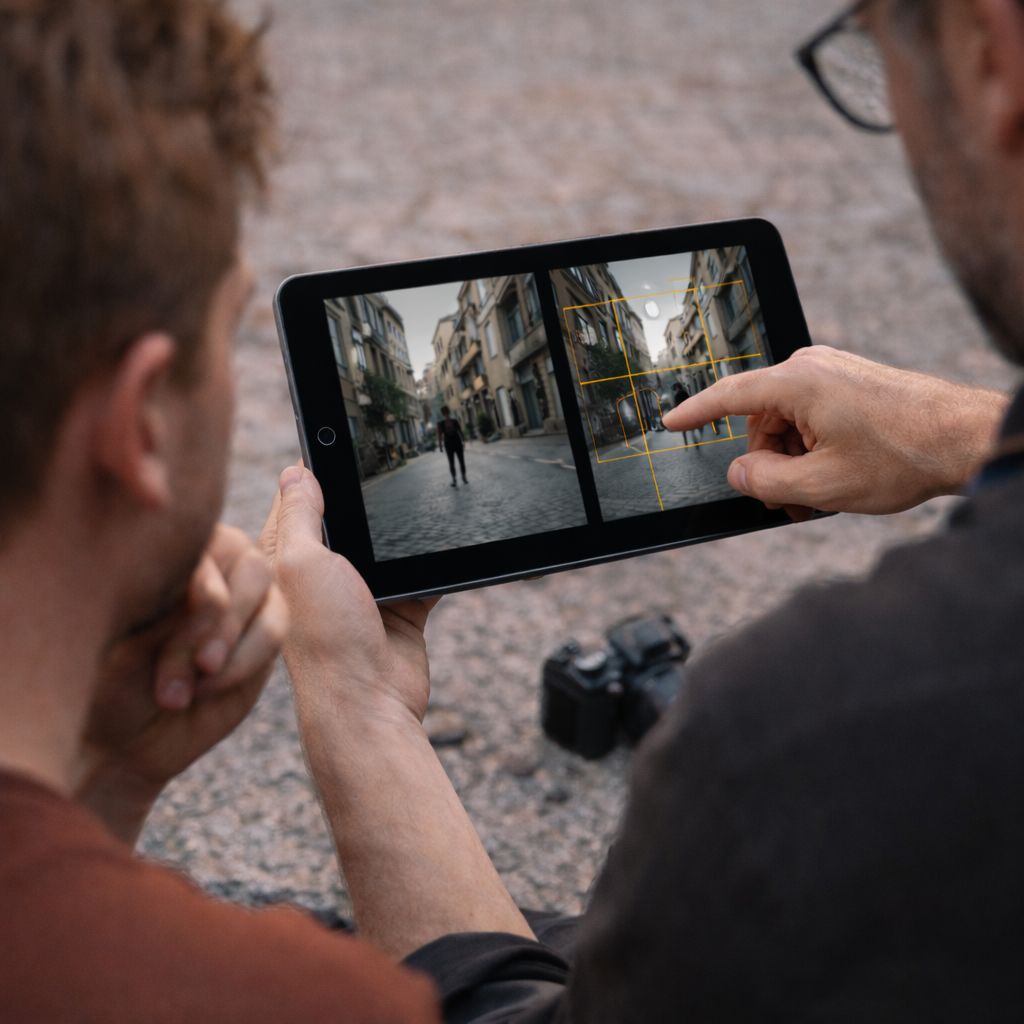
At Pentaprisma, photography is already a form of editing
Editing does not begin on the computer. It is already present in how you approach a scene, in what you include and what you leave out.
Looking at your images together makes this easier to recognise. You begin to see which decisions helped the photograph and which ones weakened it, and from there, your way of working becomes more deliberate.
What we teach depends on what your photographs are asking for
As the session unfolds, different aspects of photography appear in relation to the work.
Composition is used to direct attention within the frame, technique helps control how the camera responds and light defines how the image is perceived.
All of these elements are addressed when they are needed, always in relation to the photographs you are making.
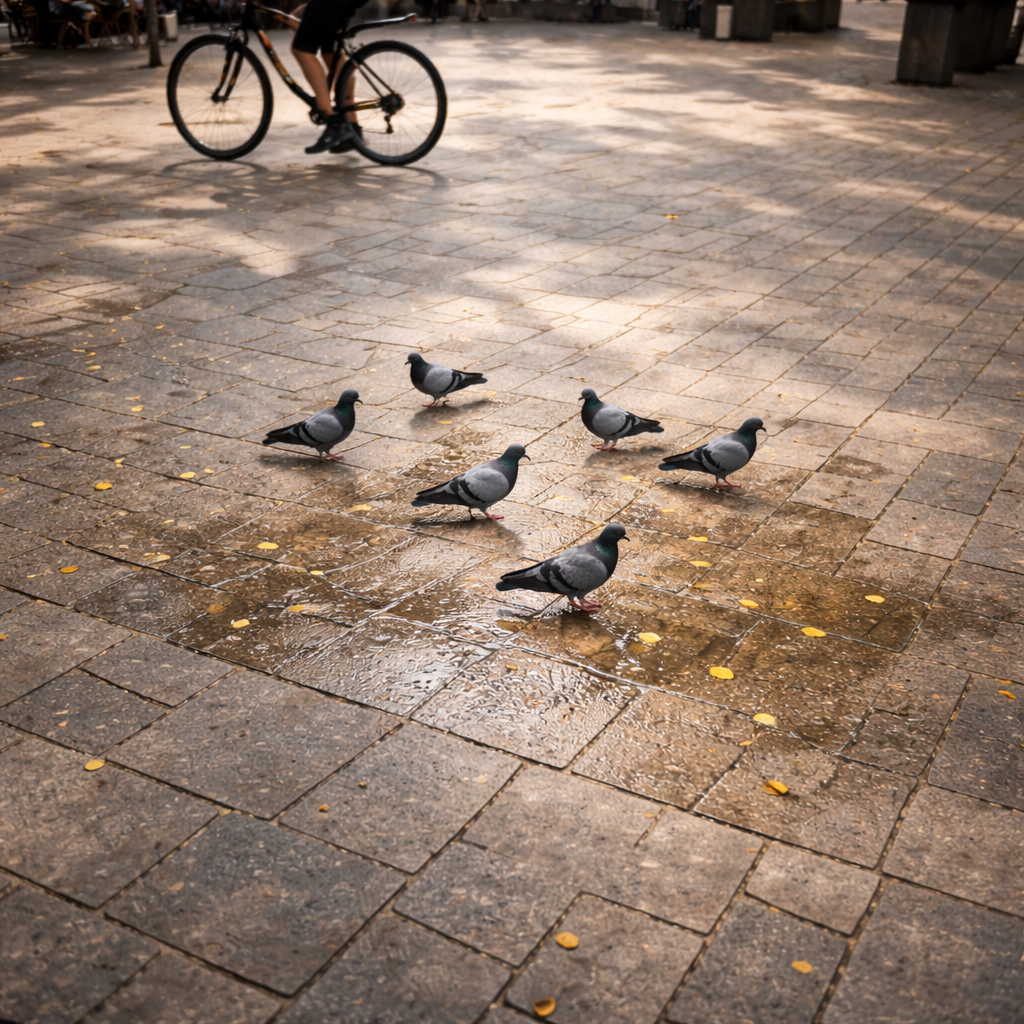
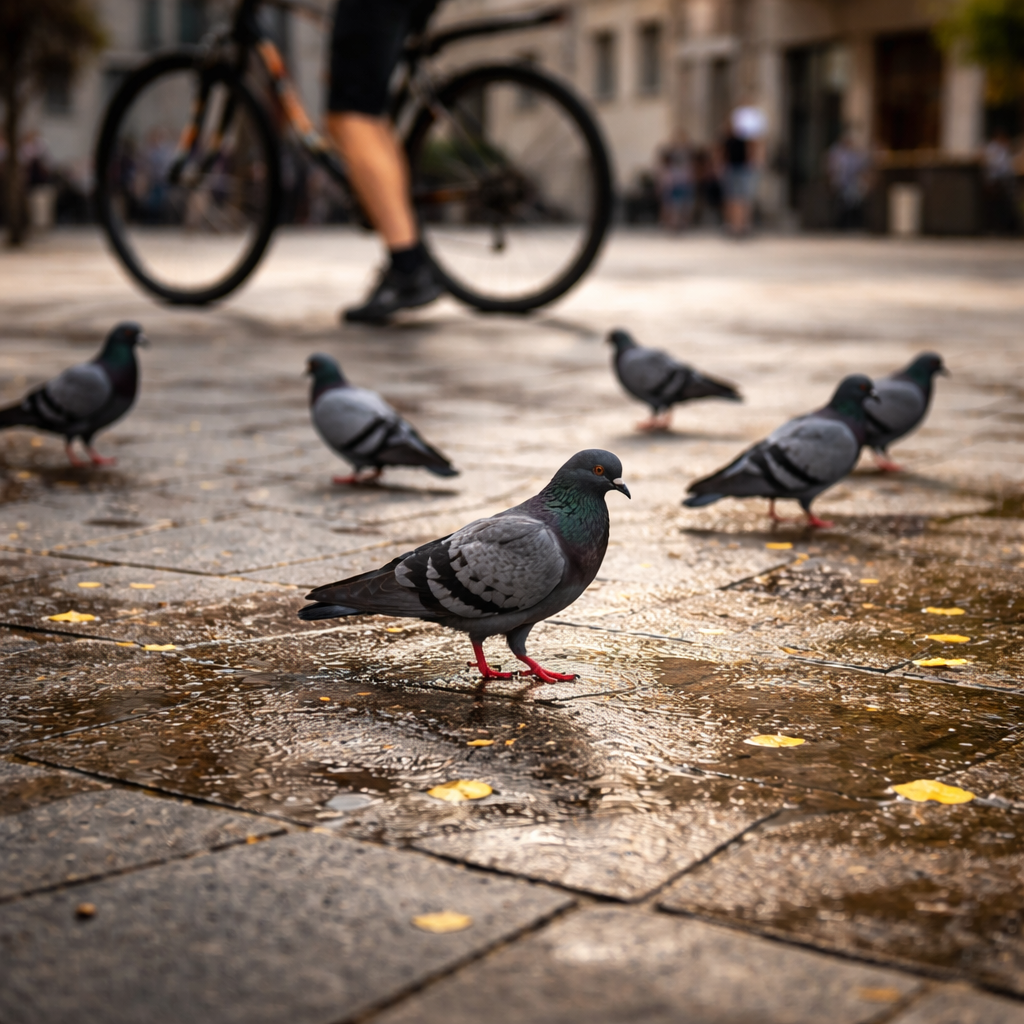
Seeing how everything comes together
By the end of the session, what changes is not only how you take photographs, but how you understand them.
You begin to recognise more clearly what is happening within each image, not just in terms of what is visible, but in how the different elements relate to each other. Decisions that once felt instinctive or uncertain start to become more deliberate, and you can trace how each adjustment affects the result.
Elements that at first seemed separate begin to connect, and the images become more coherent because the different decisions start to align. This coherence does not come from applying a formula, but from understanding how your way of looking translates into the photograph, and how to guide it with more precision.
Where workshops take place
Pentaprisma workshops are currently offered in the following cities where outdoor environments allow calm observation and practical learning.
Barcelona
Workshops in Barcelona take place in walkable areas that allow steady practice and attentive observation. The city’s rhythm supports a balanced approach between structure and creative exploration.
Gran Canaria
In Gran Canaria, workshops benefit from consistent light and open environments. The island offers calm, accessible spaces ideal for focused practice and gradual understanding.
Madrid
Madrid provides varied urban scenes, strong geometry, and changing light. Workshops here focus on building clarity while working in dynamic but accessible environments.
Berlin
Berlin offers layered spaces, texture, and seasonal light that invite careful observation. Workshops are designed to use the city’s character as a framework for structured learning.