
Photography exercises
Pentaprisma exercises are designed to train decisions, not to produce random results. Each exercise isolates a specific behaviour, reduces variables and creates conditions where patterns become visible. The goal is not to complete assignments mechanically, but to understand what changes when you adjust position, attention or constraints.
-
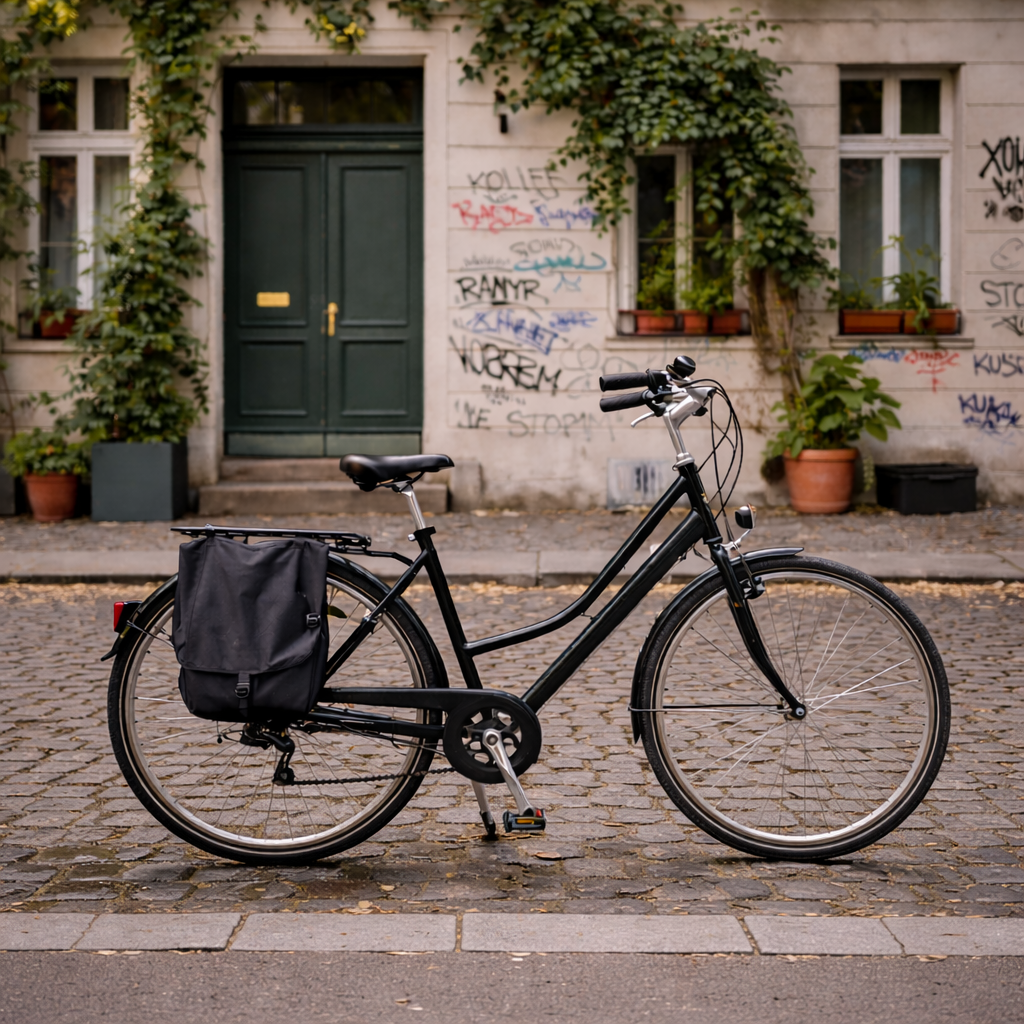
The simple exercise that reveals why your photos don’t work
Most people photograph by reacting quickly to what catches their attention. A door, a shadow, a person walking past. One or two pictures are taken, and then the photographer moves on. This habit often makes it difficult to see why the image still feels incomplete, even when the subject seemed promising.
-
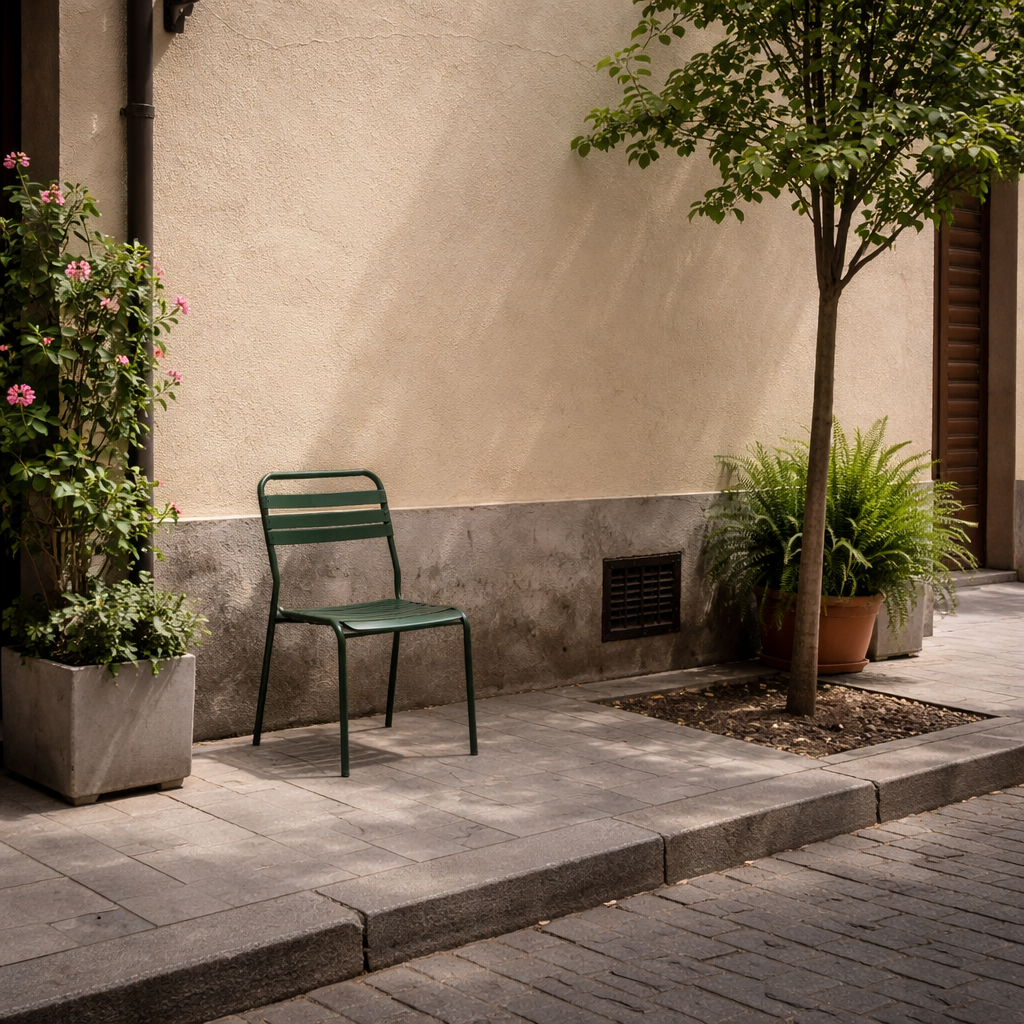
Why practicing in one location reveals more possibilities
Many beginners assume that better photographs will appear by walking further and finding new places. But when practice is limited to one small area, something different begins to happen: the search slows down, attention becomes more active, and the same scene starts to reveal more possibilities
-
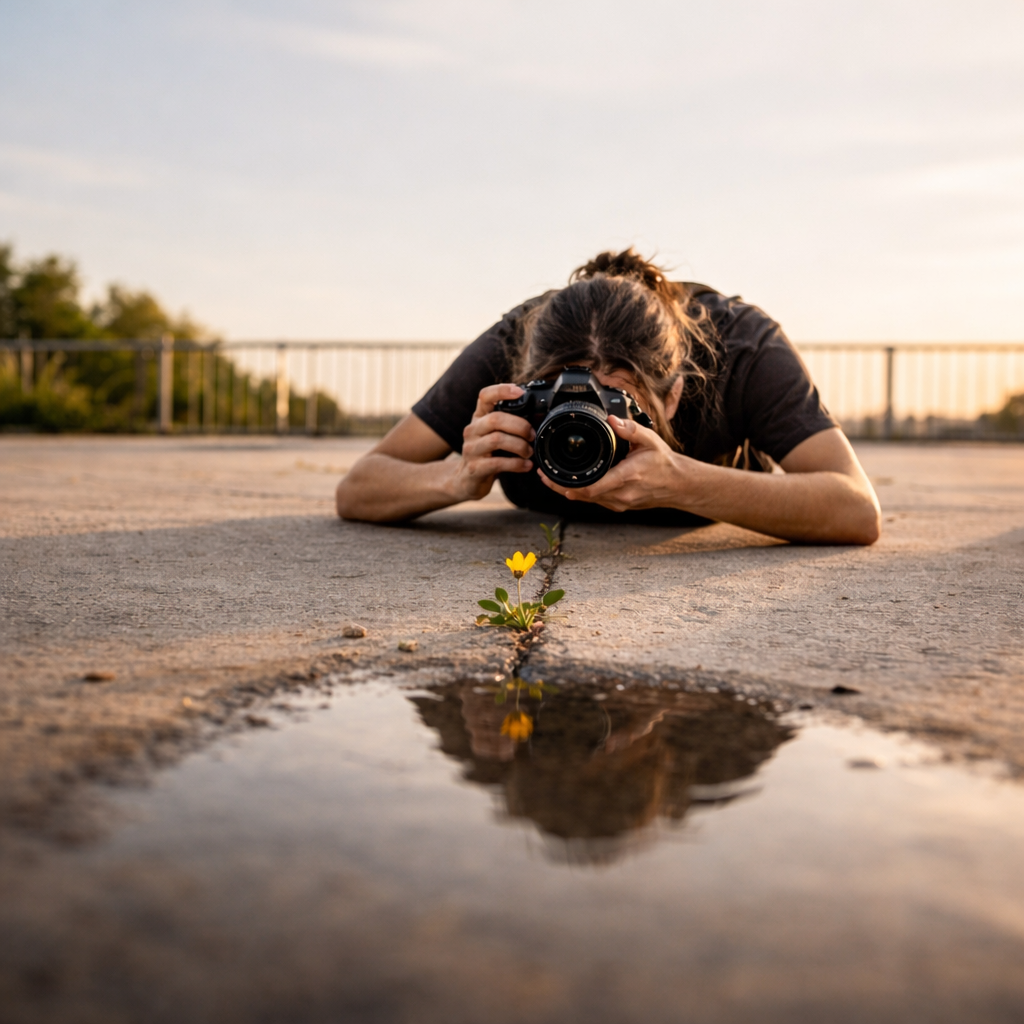
Exhaust a subject. The exercise that teaches more than searching
Instead of constantly looking for new scenes, this exercise asks you to stay with one subject and explore it fully. You photograph it from different distances, angles and moments, analysing what changes and what remains constant. By exhausting a subject, you discover structure and hierarchy, and you learn more from variation than from endless searching.
-
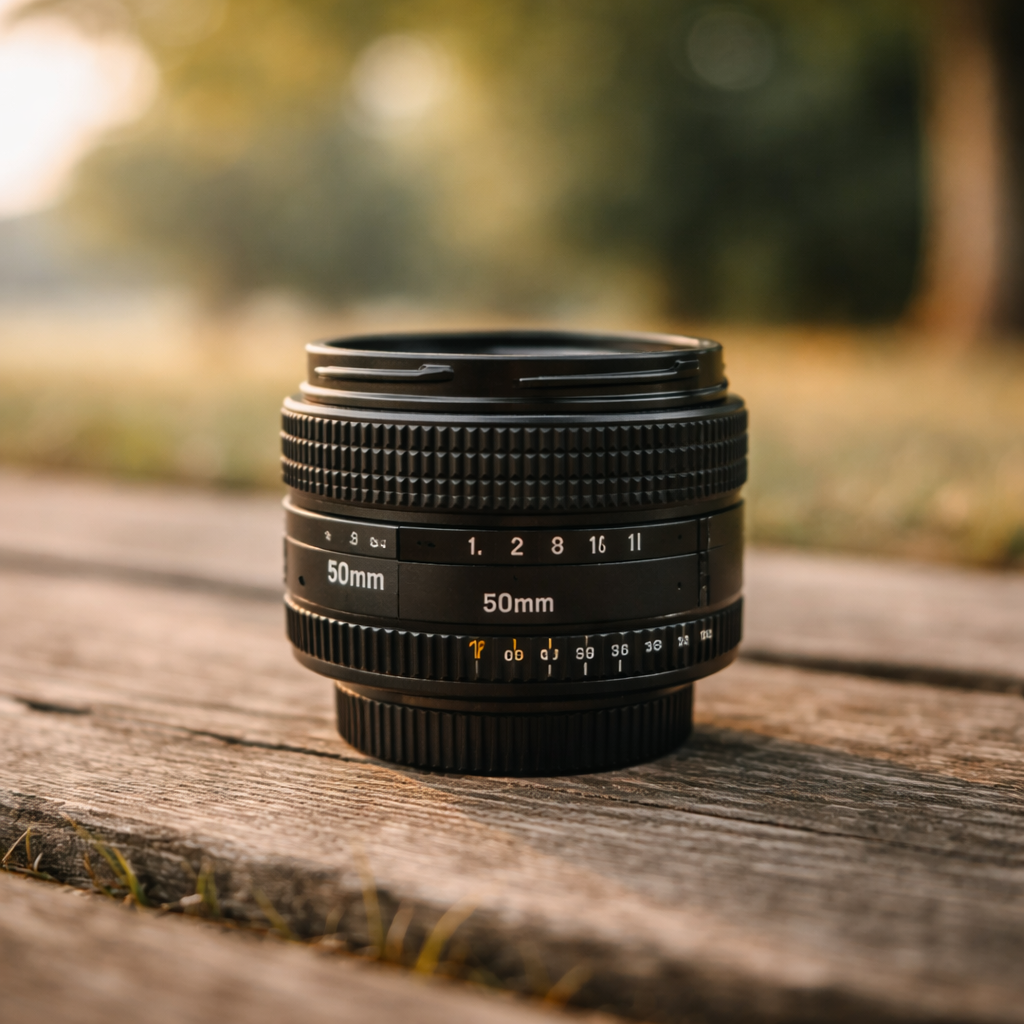
Prime lens vs zoom. A restriction that teaches faster
Using a fixed focal length removes the convenience of reframing by turning a ring and forces you to move physically. That movement changes perspective, background relationships and subject separation. The exercise is not about equipment preference, but about understanding how distance and framing decisions alter the image more than minor technical adjustments.
-
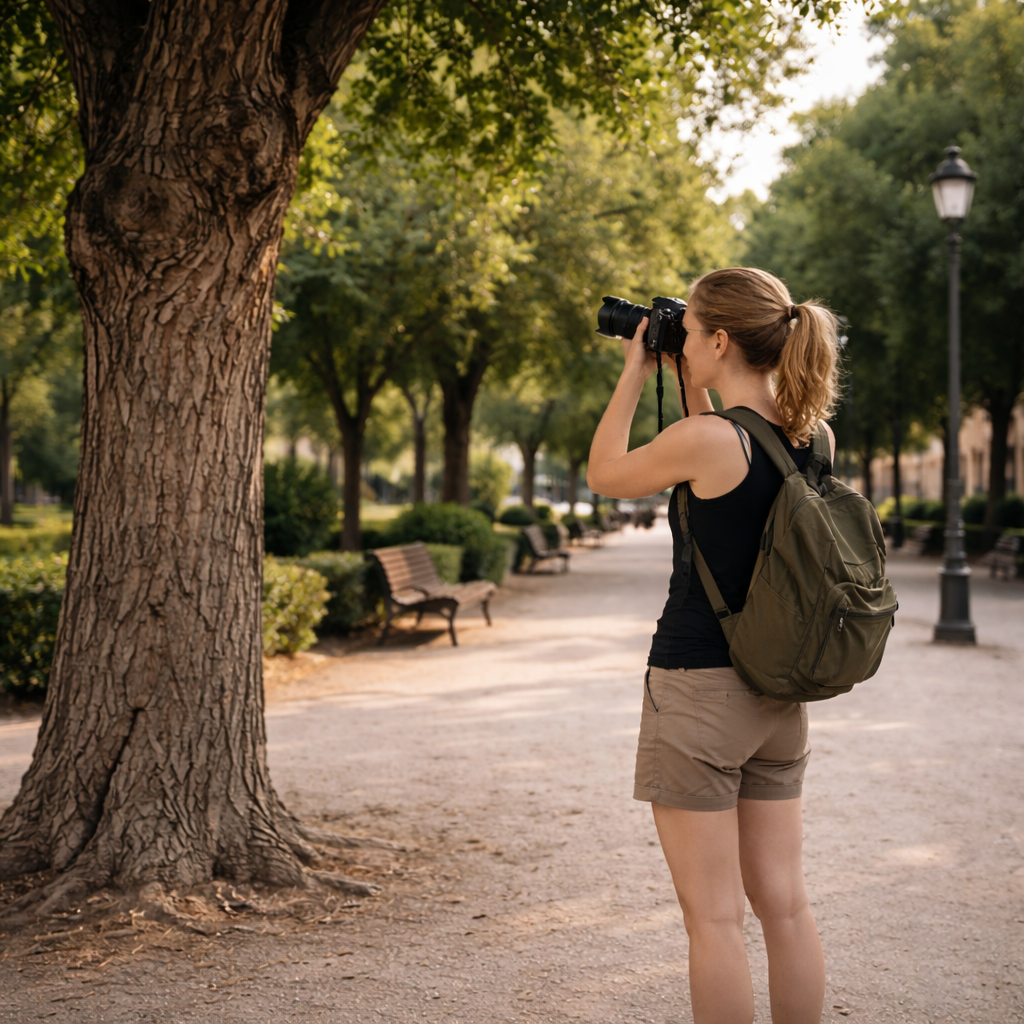
Repetition with intention. Learning from the same subject
Repetition in Pentaprisma is analytical rather than mechanical. Photographing the same subject multiple times with small adjustments reveals structure and clarifies hierarchy. Each iteration becomes a comparison point for the next one, allowing you to see progress in decisions rather than hoping for a single successful shot.
From exercises to the full framework
Exercises are the practical side of the Pentaprisma method. They create controlled situations where photographic decisions become visible and repeatable. To understand the reasoning behind them, start with the Method, then explore how composition structures the image and how editing clarifies the final selection.
Method
Exercises originate in the Pentaprisma method, where practice precedes explanation and decisions are corrected in real conditions.
Composition
Many exercises reveal how background control, subject hierarchy and visual weight shape the structure of an image.
Editing
Exercises generate sequences of images that can later be reviewed and compared, introducing editing as a process of selection.
Practise these exercises in a real workshop
These exercises can be practised independently, but their effect becomes clearer when decisions are discussed and corrected while photographing. Pentaprisma workshops combine structured exercises with real-time feedback in outdoor environments.
Photography workshops are currently offered in several cities.